
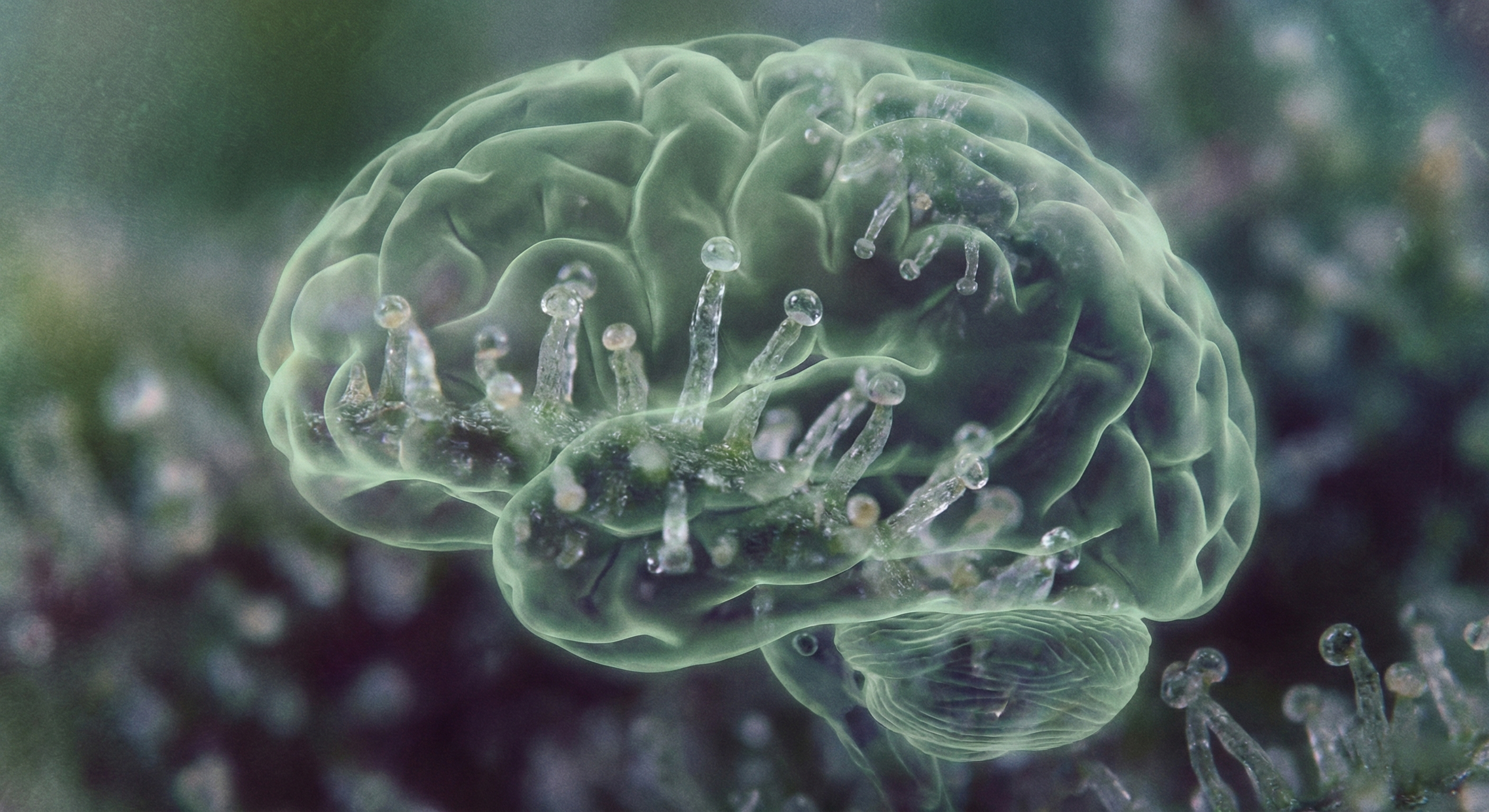
Navigating Medical Cannabis and the Endocannabinoid System
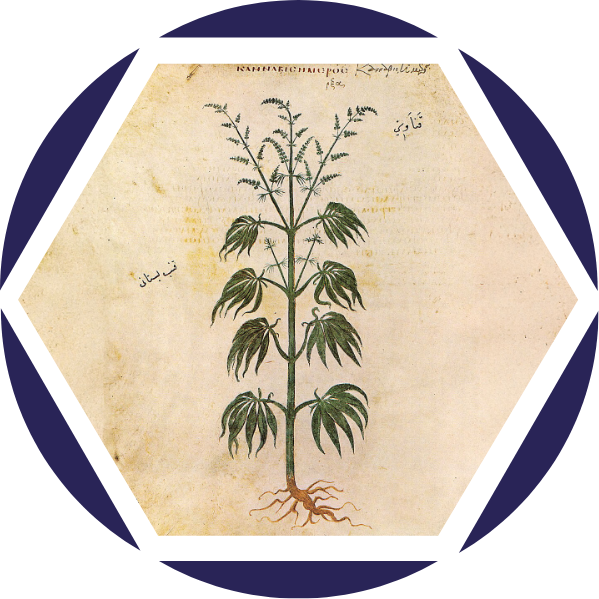
The History of Cannabis
In written history, the cultivation and use of the plant dates back at least the third millennium BC and possibly as far back as the Pre-Pottery Neolithic B (8800–6500 BCE). Cannabis was farmed for fibre, food, medicine, and religious/recreational purposes, with evidence from Neolithic times and ancient China/India, used by Scythians and Hindu saints. Its medicinal use grew in the 19th-century West, while later 20th-century global restrictions emerged, only to see recent movements toward decriminalisation, showcasing a long, evolving history.
Source: Dr. Russo, E.B., “History of Cannabis and Its Preparations in Saga, Science, and Sobriquet,” 2007.

Known medical uses
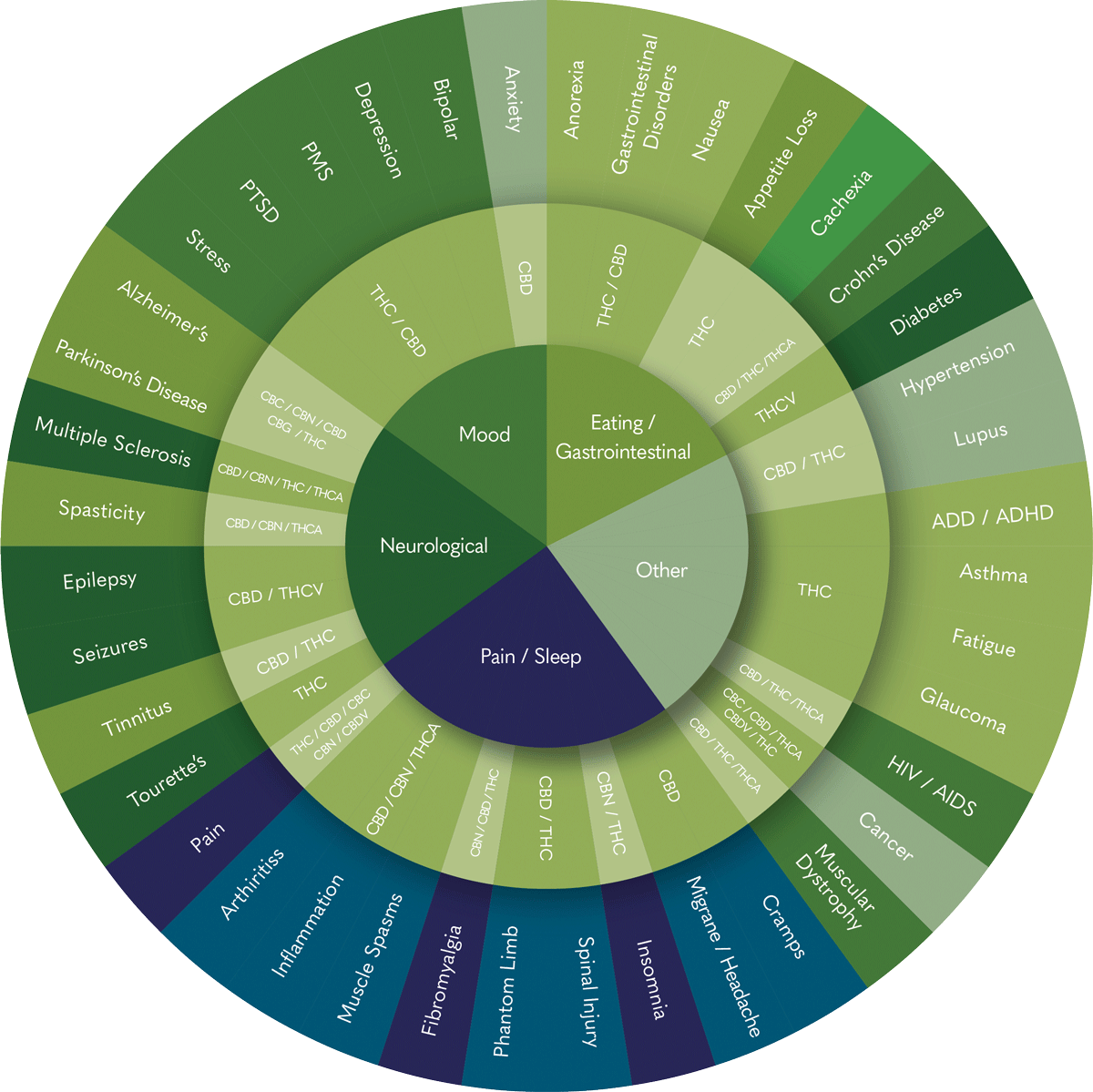
Phytocannabinoids act on the body's universal regulatory system (ECS). Consequently, the medical industry has investigated phytocannabinoids potential for a diverse range of conditions. Based on data from the German BfArM Companion Survey (2022) and international scientific reviews, common areas of application have included:
-
Chronic Pain, Arthritis, Inflammation, MusclesSpasms, Fibromyalgia, Phantom Limb, Spinal Injury, Insomnia, Migraine/Headache and Cramps.
-
Alzheimer’s, Parkinson’s Disease, Multiple Sclerosis, Spasticity, Epilepsy, Seizures, Tinnitus and Tourette’s.
-
Anxiety, bipolar disorder, depression, PMS, PTSD, and stress.
-
Anorexia, Gastrointestinal Disorders, Nausea, Appetite Loss, Cachexia, Crohn’s Disease and Diabetes.
-
Hypertension, Lupus, ADD / ADHD, Asthma, Fatigue, Glaucoma, HIV / AIDS, Cancer and Muscular Dystrophy.
Sources: BfArM,“Final Report on the Accompanying Study,” 2022); Health Canada, “Information for Health Care Professionals,” 2018); NASEM,“The Health Effects of Cannabis and Cannabinoids,” 2017).

When is cannabis prescribed?
Therapeutic goals and potential benefits
Medical cannabis is primarily prescribed as a therapy for severe, chronic conditions where standard treatments have been exhausted or poorly tolerated. Based on the current DGS Practice Guidelines (2024) and data from the BfArM companion survey, the therapy focuses on the following clinical goals:

Modulation of Chronic Pain:
Primarily neuropathic (nerve) pain.
The goal is a relevant reduction in pain intensity ("pain relief") rather than total pain freedom. By modulating pain perception in the central nervous system, patients often report an improved ability to cope with persistent symptoms.

Relief of Spasticity:
Multiple sclerosis (MS) and other neurological disorders.
In clinical studies cannabinoids have been shown to reduce muscle stiffness and spasms.

Symptom control in palliative care:
Oncology and severe chronic diseases.
Used as a supportive therapy to manage the side effects of severe treatments (e.g., Chemotherapy, Nausea, Appetite).

Improvement of quality of life:
Secondary symptoms of chronic illness.
Chronic illness often disrupts sleep and mental well-being. A key benefit observed is the improvement of sleep quality and general well-being.
Sources:
DGS Clinical Practice Guidelines,“Clinical Practice Guideline: Cannabis-Based Medications in Pain Medicine (Version 2.0)” 2024
BfArM, “Final Report on the Monitoring Study Conducted Pursuant to Section 31(6) of Book V of the Social Code on the Prescription and Use of Cannabis Medicines,” 2022. (Download Link)
The Endocannabinoid System (ECS)
The endocannabinoid system (ECS) is a widely distributed signalling system in the human body that is involved in the modulation of numerous physiological processes. One of its central roles is the regulation of homeostasis—the dynamic balance of internal processes.
The system consists of three core components:
Endocannabinoids—the body’s own neurotransmitters:
Lipid-based signalling molecules produced endogenously by the body (AEA and 2-AG).Receptors (CB1 and CB2):
G-protein-coupled receptors expressed across the central and peripheral nervous system, immune cells, and various peripheral tissues.Enzymes: Enzymatic pathways responsible for the synthesis and degradation of endocannabinoids.
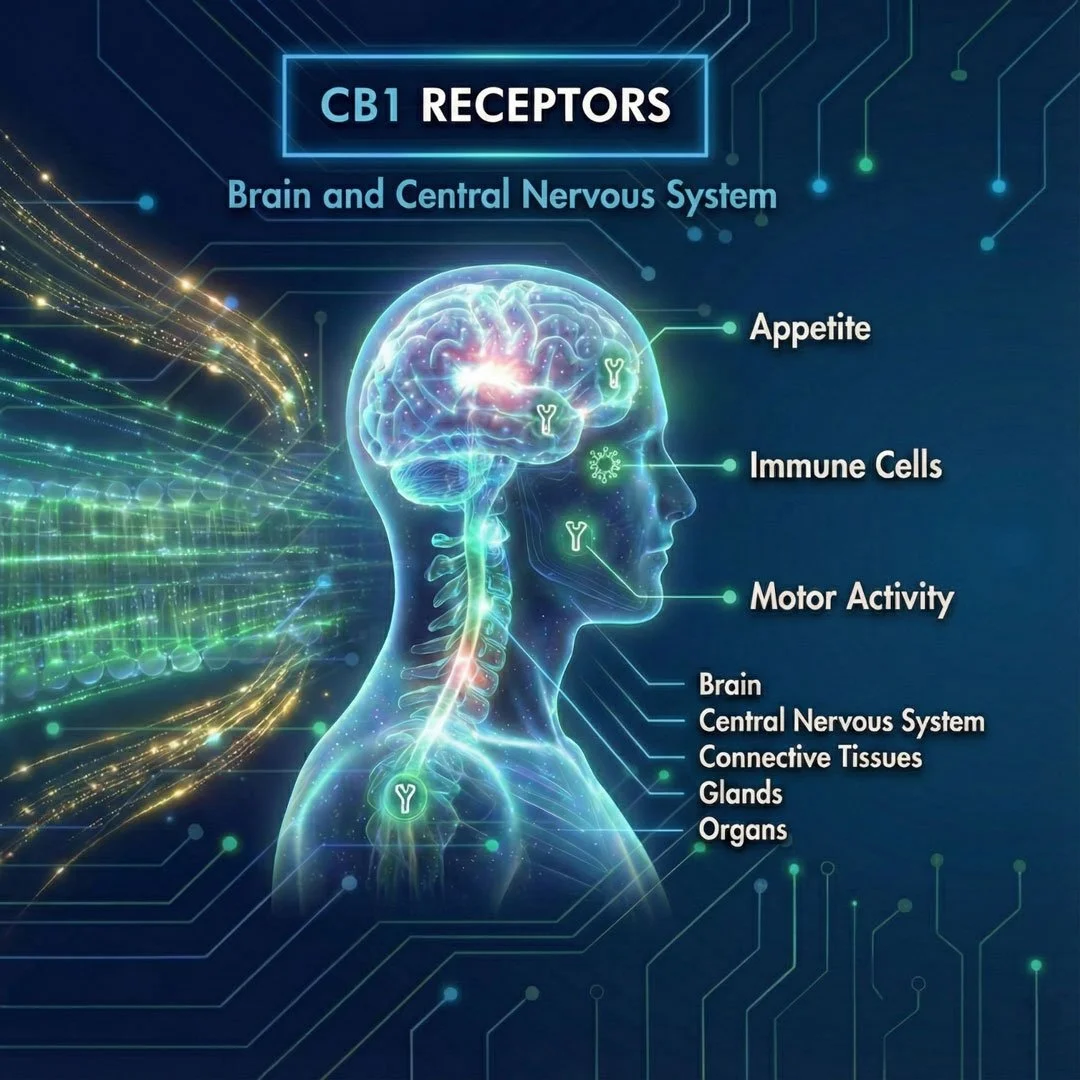
CB1 receptors are found throughout the body, but are primarily located in the brain. Their role is to facilitate communication through the nervous system.
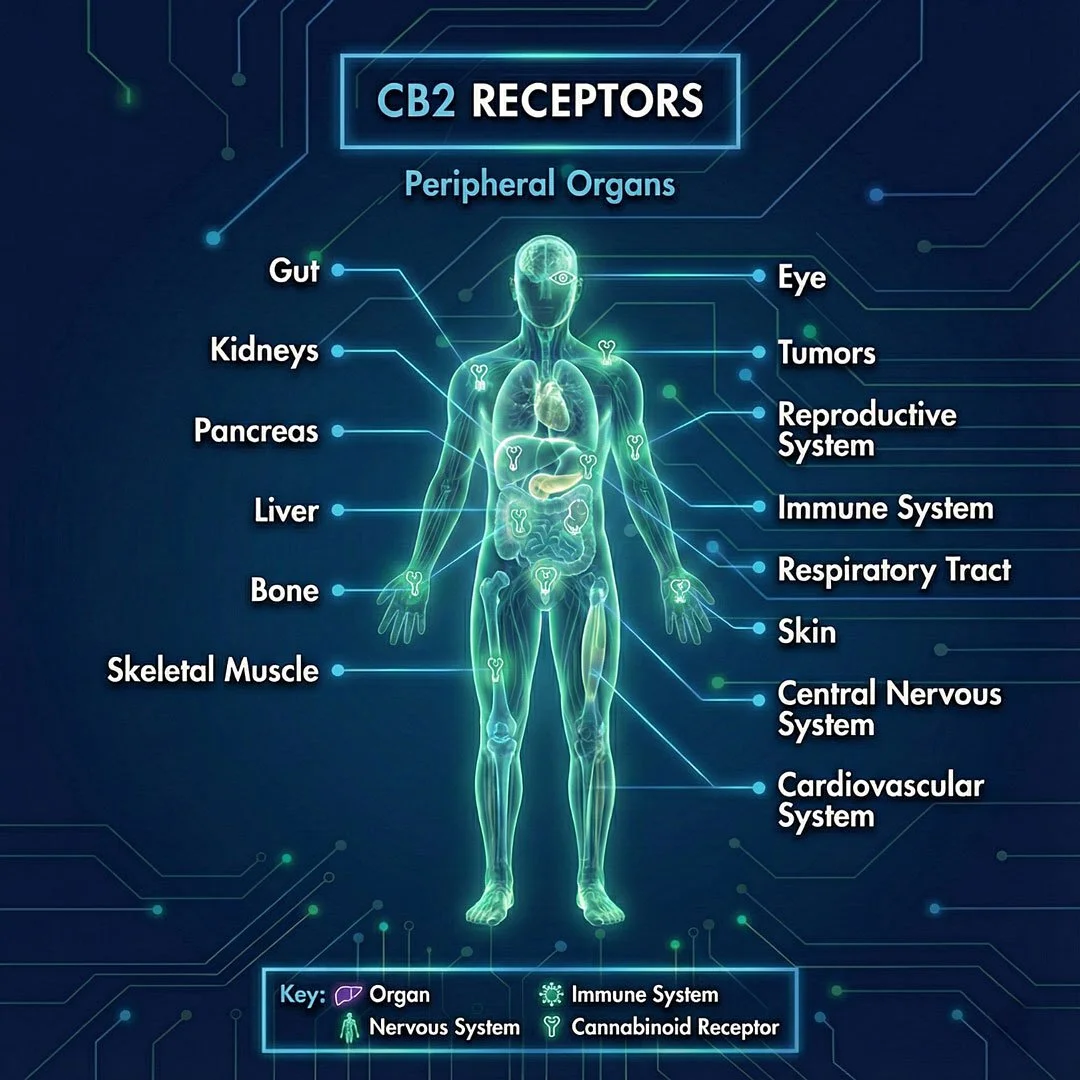
CB2 receptors are distributed throughout the body. They specifically regulate communication between the organs and the immune system.
How it works: A helpful way to understand the endocannabinoid system is the lock-and-key analogy. Cannabinoid receptors can be thought of as “locks” on the surface of cells, while endocannabinoids act like “keys” or “encrypted messages” that bind to these receptors and trigger signalling processes allowing the communication to take place.
In situations such as pain, inflammation, or stress, this signalling helps the body adjust and regulate physiological processes. Rather than acting as a simple on/off switch, the endocannabinoid system supports fine-tuning and balance within the body.
Source: Pertwee RG (Ed.). Handbook of Cannabis. Oxford University Press, 2014.
What do cannabinoid receptors (CB1 and CB2) do?
-
![Illustration of a brain in a circular shape]()
Brain
“CB1 receptors are highly expressed in the brain. They regulate neurotransmitter release and synaptic plasticity and are involved in processes such as cognition, emotional responses, and sensory processing.”
Source:
Zou S, Kumar U. Cannabinoid Receptors and the Endocannabinoid System: Signaling and Function in the Central Nervous System. International Journal of Molecular Sciences (2018). -
![Illustration of a human lung model within a circle]()
Lungs
Cannabinoid receptors are also described in the respiratory system. Current evidence suggests that endocannabinoid signalling may influence airway-related processes, including bronchial smooth muscle tone and inflammatory signalling in the airways, in a context-dependent manner.”
Source: Bozkurt TE. The Endocannabinoid System in the Airways. *Molecules* (2019).
-
![Symbol of the reproductive organs]()
Reproductive organs
“Endocannabinoid signalling plays an important regulatory role in reproductive physiology. Experimental and clinical research indicates involvement in processes such as gametogenesis, embryo transport, implantation, and early pregnancy maintenance, with tightly regulated spatial and temporal activity.”
Source: Taylor AH, Amoako AA, Bambang K, et al. Endocannabinoids and reproduction. Human Reproduction Update (2007).
-
![A symbol representing the digestive system.]()
Colon
“Cannabinoid receptors are expressed throughout the gastrointestinal tract. Endocannabinoid signalling has been shown to influence intestinal motility, epithelial permeability, and inflammatory responses in the gut, primarily through modulation of neural and immune pathways.”
Source: Di Marzo V, Izzo AA. The Endocannabinoid System and Gastrointestinal Disease. Current Opinion in Pharmacology (2006).
-
![A symbol representing the spleen.]()
Spleen & Immunity
“CB2 receptors are highly expressed in immune cells and immune-associated organs such as the spleen. Experimental and translational research shows that CB2 signalling can modulate immune cell activation, migration, and cytokine release, thereby influencing inflammatory and immune responses.”
Source: Turcotte C, Blanchet M-R, Laviolette M, Flamand N. The CB2 receptor and its role as a regulator of inflammation. Cellular and Molecular Life Sciences (2016).
-
![A symbol of the pancreas.]()
Pancreas
“The endocannabinoid system (ECS) is present in the human endocrine pancreas, including CB1 and CB2 receptors and the enzymes that regulate endocannabinoid levels. Research suggests ECS signalling can influence hormone release in pancreatic islets (e.g., insulin and glucagon) and thereby interact with metabolic regulation.”
Source: Bermúdez-Silva FJ et al. Presence of functional cannabinoid receptors in the human endocrine pancreas. Diabetologia (2008).
-
![Skin icon]()
Skin
“Skin cells express components of the endocannabinoid system. Research has shown that the ECS contributes to the regulation of processes such as skin cell growth and differentiation, barrier-related functions, and local inflammatory signalling, thereby playing a role in skin homeostasis.”
Source: Bíró T et al. The endocannabinoid system of the skin in health and disease: novel perspectives and therapeutic opportunities. Trends in Pharmacological Sciences (2009).
-
![]()
Muscles (Skeletal)
“Skeletal muscle also interacts with the endocannabinoid system. Studies suggest that CB1-related signalling in muscle is linked to mechanisms relevant to metabolic health, including insulin sensitivity and fuel use (substrate oxidation). Physical activity may modulate parts of this system.”
Source: Heyman E et al. The role of the endocannabinoid system in skeletal muscle and metabolic adaptations to exercise: potential implications for the treatment of obesity. Obesity Reviews (2012)
-
![A symbol for bones]()
Bones
“Endocannabinoid signalling contributes to the regulation of bone remodelling by affecting osteoblast and osteoclast differentiation, survival, and activity. Experimental models indicate that CB2 receptor activation can promote osteoblast function and limit excessive bone resorption, suggesting a potential role in maintaining bone mass and in the regulation of bone remodelling processes.”
Source: Bab I, Ofek O, Tam J, et al. Endocannabinoids and the regulation of bone metabolism. Journal of Neuroendocrinology (2008).
-
![A symbol of the liver]()
Liver
“Cannabinoid receptors and endocannabinoid-metabolising enzymes are expressed in hepatic tissue, where they influence processes such as steatosis, fibrogenesis, and vascular tone. Experimental and clinical data suggest that CB1 activation tends to promote hepatic lipogenesis and fibrosis, whereas CB2 signalling is more often discussed as having immunomodulatory effects in preclinical models of chronic liver disease.”
Source: Mallat A, Teixeira-Clerc F, Lotersztajn S. Cannabinoid signaling and liver therapeutics. Journal of Hepatology, Volume 59, Issue 4, 891–896 (2013).
-
![Illustration and symbol of the immune system]()
Immune system
“CB2 receptors are abundantly expressed on immune cells, including B cells, T cells, macrophages, and dendritic cells, as well as in secondary lymphoid organs. Their activation can modulate immune cell activation, migration, and cytokine production, thereby shaping inflammatory responses in a context-dependent manner.”
Source: Turcotte C, Blanchet M-R, Laviolette M, Flamand N. The CB2 receptor and its role as a regulator of inflammation. Cellular and Molecular Life Sciences (2016).


Phytocannabinoids – Nature’s Keys
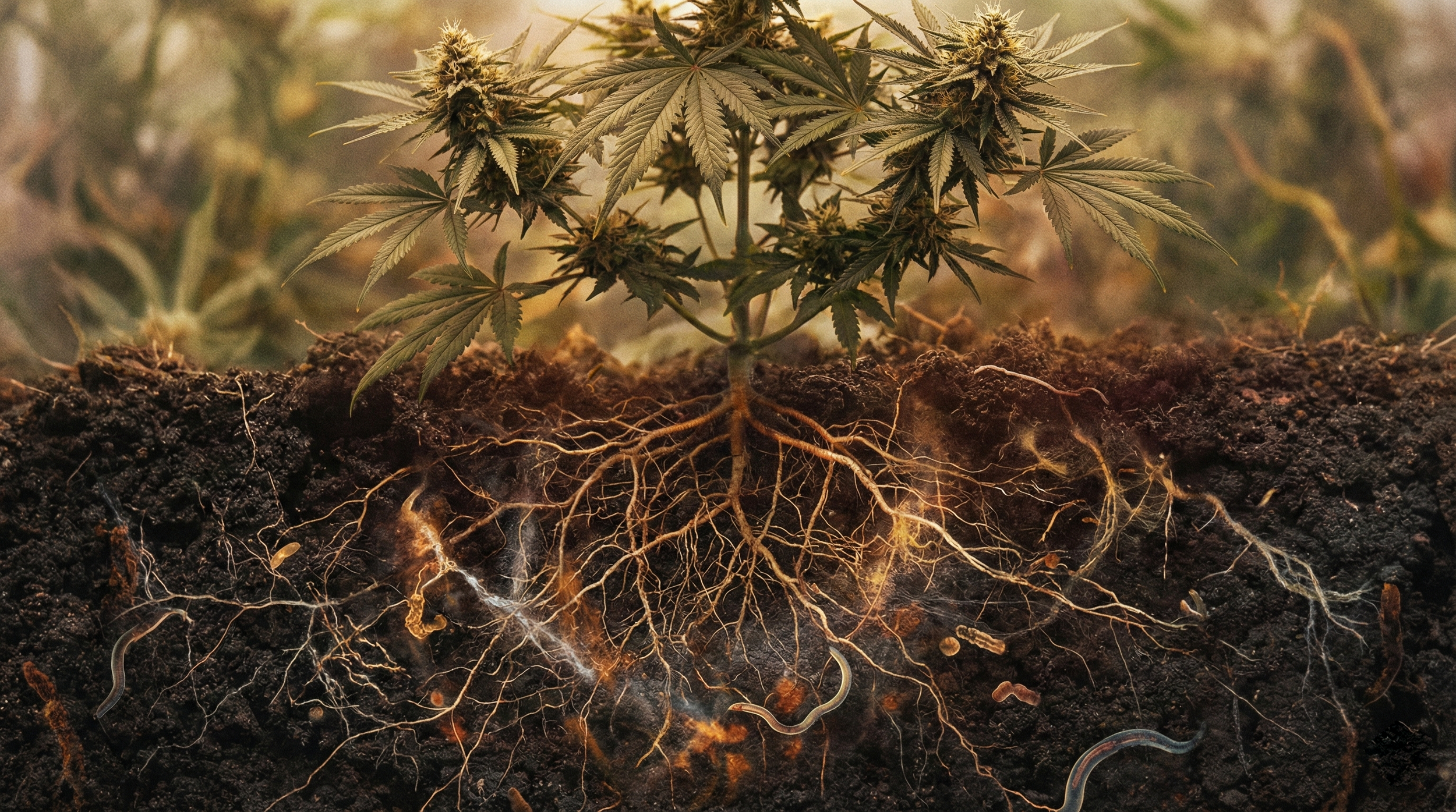
The cannabis plant produces over 100 bioactive compounds known as phytocannabinoids .
Some of these plant-derived compounds share structural and functional similarities with the body’s own endocannabinoids, enabling them to interact with and modulate the endocannabinoid system (ECS).“
THC (Δ9-tetrahydrocannabinol):
THC is the primary psychoactive phytocannabinoid. In a medical context, it is used for its central nervous system effects, including muscle relaxation, modulation of pain perception, and appetite stimulation.
CBD (cannabidiol):
CBD is a non-psychoactive phytocannabinoid.
It is actively researched for its modulatory effects on inflammatory signalling, stress-related processes, and muscle tone, without producing the characteristic intoxicating effects associated with THC.
The "Entourage Effect" (Phytocomplexity)
Medical cannabis contains more than just THC and CBD. It also includes other compound classes such as terpenes (aroma-active constituents) and flavonoids.
The concept commonly referred to as the “entourage effect”describes the hypothesis that multiple plant compounds may interact to influence overall effects and tolerability. While this concept is still under scientific discussion, it is often used to explain why full-spectrum preparations can differ in their subjective and clinical profiles compared to isolated substances.

How is treatment prescribed?
Since April 1, 2024, the legal framework for medical cannabis in Germany has changed. With the removal of medical cannabis from the Narcotics Act (BtMG), it is now prescribed on a standard prescription (Rx) where medically indicated.
This means that a strict “last resort” requirement is no longer a formal prerequisite for issuing a prescription in every case.
However, for statutory health insurance (GKV) reimbursement, specific criteria and a prior approval process may still apply.
Use this 4-step guide to prepare for your consultation.
Phase One: Documentation Preparation
Even though cannabis is no longer prescribed under BtMG rules, your doctor will still need a clear medical rationale. Good documentation supports a well-informed decision.
Compiling the “Treatment History”
Compiling "Therapy History" To documenting your condition clearly, consider the following:
Diagnosis List: Relevant medical findings confirming your condition (e.g., chronic pain, MS, migraine).
Current status: A short symptom log and how symptoms affect your daily life.
Prior Treatments: A list of medications and non-drug therapies you have tried (incl. outcomes and side effects).
Why this is helpful: Even if not strictly required for a private prescription, structured documentation helps your doctor assess whether cannabinoid therapy is appropriate and proportionate for your individual situation.
Phase Two: The Consultation
Finding the right physician is key. Patients do not need a “special cannabis doctor,” but a licensed physician who is willing to consider cannabinoid therapy as part of an individualized treatment approach.
The Doctor-Patient Dialogue
Who can prescribe:
Any licensed physician in Germany (except dentists and veterinarians) may prescribe medical cannabis on a standard prescription, provided a medical indication is present.The current legal framework:
Medical cannabis does not have to be prescribed only after all other options have been exhausted. If your physician considers cannabinoid therapy medically appropriate—for example due to insufficient efficacy or tolerability of other treatments—it may be prescribed directly.How to address the topic: You may frame the discussion in a neutral, non-demanding way, for example: “I am interested in treatment options that focus on symptom relief and tolerability. Given the current regulations, could cannabinoid-based therapy be a reasonable option in my case?”
Phase Three: The Reimbursement Application
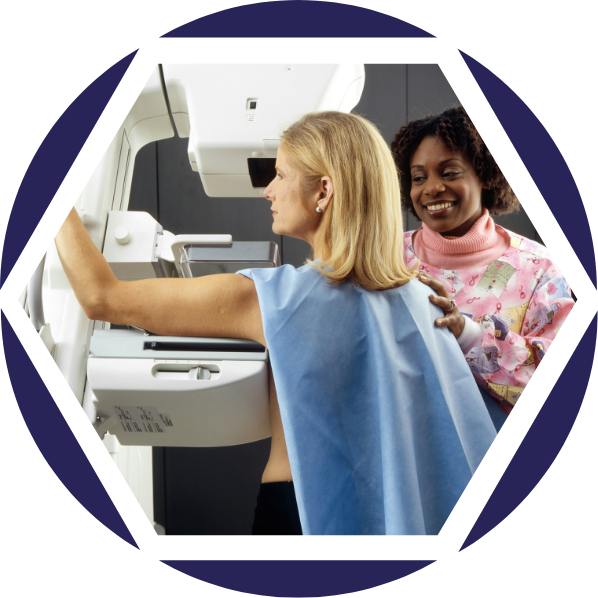
If you would like statutory health insurance (GKV) to cover the costs of cannabinoid therapy, a formal reimbursement application is still required.
The doctor’s role: Your physician prepares the medical justification, outlining the indication, disease severity, and why cannabinoid therapy is considered appropriate.
The patient’s role: You submit the completed application documents to your statutory health insurer.
Assessment criteria: For reimbursement approval, the legal framework generally requires that a serious condition is present and that standard therapies are not available, not suitable, or not sufficiently effective in the individual case.
Timeline: Once a complete application has been submitted, statutory health insurers are legally required to issue a decision within three weeks.
Phase Four: Prescription Fulfilment
Once your prescription has been issued, it can be filled at any pharmacy (Apotheke).
Redeeming Your Prescription
Where to fill the prescription: Medical cannabis prescriptions can be redeemed at any german pharmacy. However, not every pharmacy stocks cannabis-based medicines on site, so ordering may be required.
Availability and Ordering: If the prescribed product is not immediately available, the pharmacy can usually order it from a licensed distributor. Delivery times may vary depending on product availability and supply logistics.
Advice at the pharmacy: Pharmacists provide information on correct use, dosage instructions as prescribed by your physician, and practical aspects such as storage and handling.

Important Legal Notice for Patients
The content provided on this website is intended for general informational purposes only. It does not constitute medical advice and is not a substitute for consultation with a licensed physician or other qualified healthcare professional.
This website does not promote self-diagnosis or self-medication. Decisions regarding medical treatment, including the prescription of cannabis-based medicines, are made exclusively by licensed healthcare professionals based on individual medical assessment.
Medical cannabis is subject to national regulations and may only be prescribed where medically indicated and in accordance with applicable laws.
While we strive to keep the information on this website accurate and up to date, medical knowledge and legal frameworks may change over time.
For further reading and the sources cited for the information in this website, please refer to our References & Further Reading page.
For further information and the sources used, please see References & Further Reading .